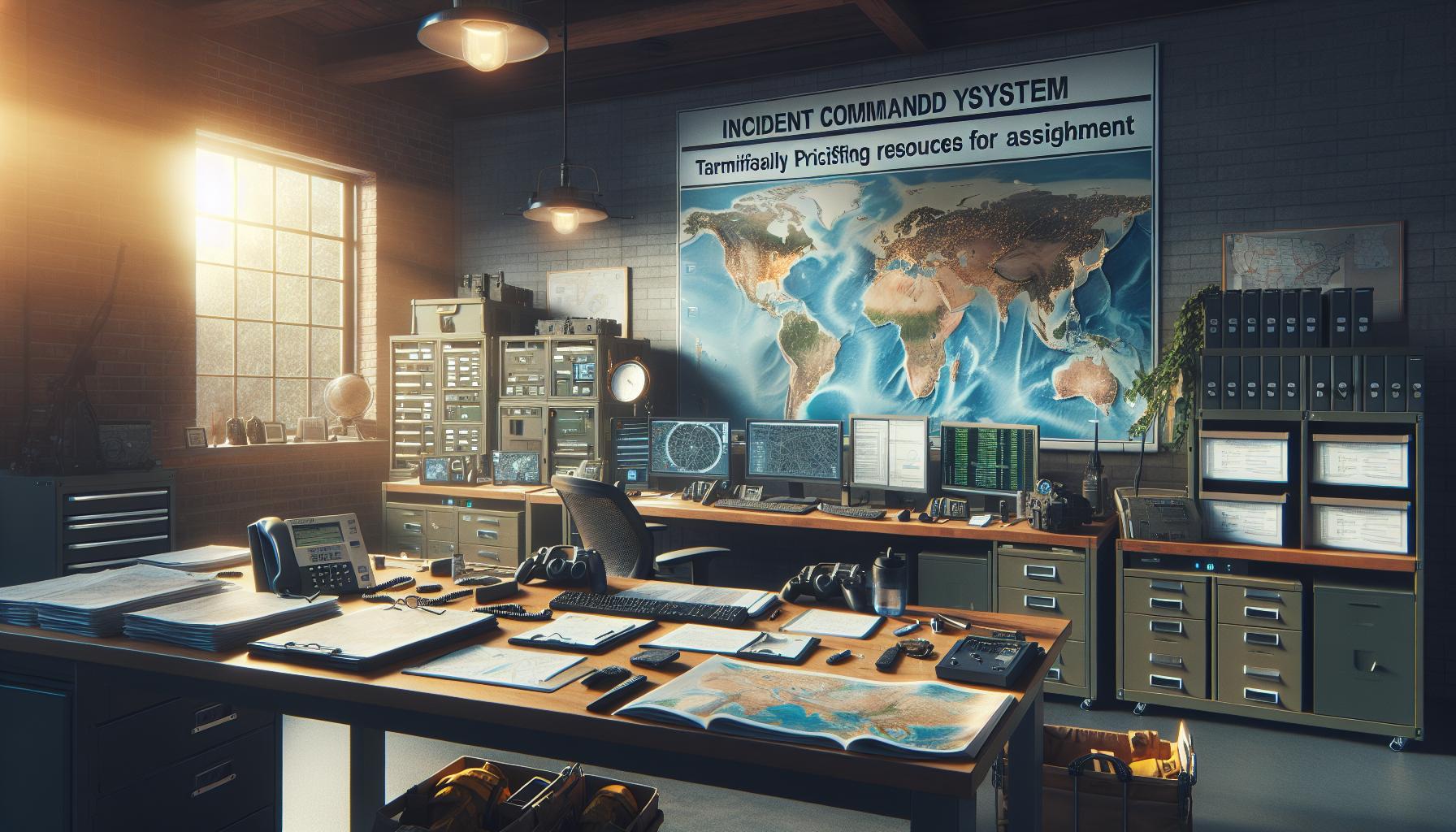
in today’s fast-paced environment, effective emergency management hinges on streamlined EOC (emergency Operations Center) configurations that require minimal readiness time. understanding these setups is crucial for rapid response to crises, ensuring that organizations can maintain operational efficiency during critical situations. This article delves into strategies and best practices for achieving optimal EOC configurations swiftly.
Understanding EOC Configurations: A Quick Overview
Did you know that optimizing Emergency Operations Center (EOC) configurations can considerably reduce preparation time during crisis situations? Understanding these configurations is essential for both managers and responders who aim to enhance efficiency and coordination in emergency management.
Key elements of EOC Configurations
Every EOC configuration revolves around a few basic elements that dictate its effectiveness. Here are some crucial components to consider:
- Layout and Space: The physical arrangement can affect team dynamics and information flow. Ensuring that all necessary tools and dialog systems are within easy reach is vital.
- Technology Integration: Utilizing advanced technology such as GIS and situational awareness tools enhances decision-making capabilities and ensures timely responses.
- Role Assignment: Clearly defined roles within the team can streamline operations and eliminate confusion during high-stress situations.
To visualize how different elements work together, consider the following configurations:
| Configuration Type | Description | Advantages |
|---|---|---|
| Command Center | Centralized decision-making hub for incident management. | Clear leadership and unified strategy. |
| Virtual EOC | Remote management via digital tools and platforms. | Versatility, accessibility, and reduced need for physical space. |
| Mobile EOC | A deployable unit designed for on-site operations. | Immediate response capabilities in changing environments. |
Real-World Application of EOC Configurations
Real-life implementations of EOC configurations demonstrate how strategic planning can yield remarkable results. Such as, during a recent natural disaster, a city employed a Command Center configuration that allowed for rapid resource allocation and information sharing. By having all relevant department heads under one roof, decisions were made more swiftly, and response times improved dramatically.
This is not only a theoretical approach but a proven method that other municipalities can learn from. It’s crucial for EOCs to continuously evaluate and adapt their configurations based on past experiences and emerging technologies. Understanding and implementing effective EOC configurations is not just a best practice; it is essential for safeguarding communities when time is of the essence.
The Importance of Minimal Preparation Time in Emergency Operations
The ability to respond swiftly during emergencies can significantly influence the outcome of a situation. In critical incidents,every second counts,and the need for effective Emergency Operations Center (EOC) configurations that require minimal preparation time becomes paramount. Understanding the dynamics of how these configurations function can save lives, mitigate damage, and enhance overall operational efficiency in emergency management.
The Role of Preparedness in Emergency management
Effective emergency operations hinge on the speed and clarity of response strategies. EOC configurations designed for minimal preparation time allow responders to escalate operations rapidly,ensuring that all necessary personnel and resources are in position. Unlike traditional setups that may require hours to activate,these streamlined approaches enable teams to commence operations almost instantly. As a notable example, utilizing modular units that can be rapidly deployed in various scenarios can significantly cut down setup times while maintaining high readiness levels.
- Immediate Action Plans: Pre-established protocols allow teams to initiate their response as soon as an incident is identified.
- Flexible Staffing: An adaptable workforce trained in various roles can fill critical gaps without delay.
- Essential Resource Allocation: Quick access to key resources ensures that teams are equipped to manage the situation effectively from the start.
Real-world Applications and Best Practices
Real-world incidents illustrate the advantages of minimal preparation time in EOC setups. Such as, during natural disasters, teams that utilize pre-configured EOCs have demonstrated the ability to mobilize faster and coordinate more effectively than those reliant on traditional planning methods. Implementing a clear chain of command and standardized communication protocols means that critical information can flow seamlessly, further enhancing operational readiness.
To further illustrate, consider the following table that outlines effective minimal prep configurations based on recent case studies:
| Configuration type | Preparation Time | Achieved Outcomes |
|---|---|---|
| Mobile EOC Units | Immediate | Rapid deployment in urban flood response |
| Modular Command Posts | 30 minutes | Increased coordination during wildfire management |
| Pre-stocked Resource Hubs | 10 minutes | Efficient resource distribution post-earthquake |
configuring eocs for minimal preparation time is not just a logistical necessity; it is a strategic advantage in emergency management. By prioritizing swift operational readiness, organizations can significantly enhance their ability to respond effectively and save lives in critical situations.
Key Components of an Effective EOC Configuration
In emergency management,having an effective Emergency operations Center (EOC) configuration can meen the difference between chaos and coordinated action during a crisis. Rapid response hinges on specific elements that create a framework for success, allowing teams to operate efficiently from the get-go. Understanding the essential components of an effective EOC configuration is crucial for organizations looking to optimize their preparedness plans.
Core Elements of EOC Configuration
To build a resilient EOC configuration, several key components need to be integrated into the design. Here are the vital elements that ensure minimal preparation time while maximizing operational effectiveness:
- Leadership Structure: Clearly defined roles and responsibilities are paramount. Establishing a command hierarchy ensures that every team member knows their job during an emergency, streamlining decision-making under pressure.
- Communication Systems: Robust communication tools and protocols must be in place. Consider utilizing an integrated platform that supports multiple channels—radio, email, and direct messaging—to facilitate immediate information exchange.
- Data Management: An effective EOC relies on real-time data analytics and sharing. Implement systems that allow for the collection, analysis, and dissemination of critical information to support operational decisions.
- Resource Allocation: Utilizing an inventory management system helps track available resources, ensuring that necessary supplies and personnel are deployed swiftly when needed.
- Training and Drills: Conducting regular training sessions and simulation exercises prepares team members and reinforces the EOC configuration,allowing for a seamless integration when an actual event occurs.
real-World Application of EOC Configurations
Consider a scenario where a natural disaster strikes a metropolitan area.The EOC needs to operate at peak efficiency, minimizing preparation time and ensuring resources are mobilized immediately. In this case, the outlined components allow for a structured approach:
| Component | Action Taken | Outcome |
|---|---|---|
| Leadership Structure | Designated a Director of Operations | Clear command reduced decision-making delays |
| Communication Systems | Activated emergency communication protocols | Timely updates reduced misinformation |
| Data Management | utilized a centralized data dashboard | Real-time information led to effective resource allocation |
| Resource Allocation | Initial assessment of available resources | quick deployment of aid materials to affected zones |
| Training and Drills | implemented pre-disaster simulation drills | Enhanced team coordination during actual emergency |
Establishing these components facilitates a cohesive response even in the most challenging circumstances.By prioritizing these elements in your EOC configuration, you create a robust framework designed for minimal preparation time while maximizing operational success.
Steps to Streamline Your EOC Setup for rapid Deployment
When an emergency strikes, the speed of your response can make all the difference. A well-prepared Emergency Operations Center (EOC) is essential for effective incident management, ensuring that resources are allocated efficiently and actions are coordinated seamlessly. With the right configuration, your EOC can be set up for rapid deployment, minimizing downtime and maximizing readiness. Here’s how you can achieve this streamlined setup.
Build a Quick-Reference Plan
Creating a detailed but concise quick-reference plan is fundamental to your EOC’s rapid deployment capabilities. This should include:
- Key Roles and Responsibilities: Clearly define who does what within the EOC. This boosts accountability and speeds up decision-making.
- Standard operating Procedures (SOPs): Develop and regularly update SOPs that outline procedures for various scenarios. Having these easily accessible can save time during critical moments.
- Communication Protocols: Outline the channels of communication, ensuring that both internal and external communications are addressed effectively.
Utilize Modular EOC Configurations
Incorporating modular configurations allows your EOC to adapt quickly to changing needs.For instance, use portable equipment like laptops, mobile devices, and visual display screens that can be easily transported or reconfigured based on the incident’s scale.
| Component | Description | Benefits |
|---|---|---|
| Mobile Workstations | Portable units equipped with necessary tools | Flexibility to relocate or expand operations |
| Collaborative Planning Tools | Online platforms for real-time collaboration | Increased engagement and quicker decision-making |
| Quick-Connect Communications | Flexible communication systems for various scenarios | Reduced setup time and enhanced coordination |
Conduct Regular Training and Drills
Regular training sessions and drills not only enhance your team’s readiness but also improve familiarity with the EOC’s layout and equipment. Run through deployment scenarios that simulate real emergency situations to refine your processes. These exercises help identify gaps in your quick-reference plan and ensure that all personnel know their roles when the situation demands immediate action.
a focus on quick-reference planning, modular configurations, and regular training sets the foundation for an EOC that can be deployed rapidly, yielding an effective operational response amid chaos. Integrating these elements ensures that your team is well-prepared for any challenge,even with minimal preparation time.
Tailoring EOC Design to Meet Specific Operational Needs
When discussing the intricacies of Emergency Operations centers (EOCs), it is essential to recognize that a one-size-fits-all approach rarely applies. Tailoring EOC design to specific operational needs can significantly enhance response effectiveness, especially in high-stakes environments where every second counts. By adapting configurations based on situational demands, agencies can streamline their processes, optimize resource allocation, and bolster communication efforts during emergencies.
Understanding Operational Requirements
To effectively tailor the design of an EOC, it is indeed imperative to first assess the unique operational needs of the association and the types of incidents frequently encountered. factors to consider include:
- Type of Emergencies: Does your organization primarily respond to natural disasters, terrorist threats, or public health crises?
- Resources Available: What personnel, technology, and materials are at your disposal, and how can they be best utilized?
- Stakeholder Engagement: Who are the key stakeholders, and how will they need to communicate during events?
- Geographic Location: Are there specific logistics or geographic advantages to consider for your EOC design?
By clearly identifying these requirements, decision-makers can map out an EOC configuration that aligns with their operational objectives.
Designing for Flexibility and Scalability
One of the hallmark features of an effective EOC is its ability to adapt quickly to changing situations. Integrating flexible designs allows for seamless adjustments and scalability in response to diverse incident magnitudes. Here are some actionable steps to consider:
- Modular Workstations: Designing workstations that can be reconfigured based on personnel needs can save time and resources, particularly when transitioning from routine operations to full-scale emergencies.
- Technology Integration: Ensure that communication and data management technology is easily upgradable or adjustable to accommodate new needs or tools while maintaining interoperability with various systems.
- Training Simulations: Conducting regular drills using multiple configurations helps personnel become familiar with different setups, making transitions smoother in real situations.
Real-World applications
Consider how various organizations have customized their EOC configurations for maximum efficiency. For instance, a city facing frequent severe weather events might implement a robust data analysis center within their EOC specifically for storm tracking and resource allocation. This dedicated station could leverage advanced software tools for real-time decision-making, thereby improving response times during critical moments.
Similarly, public health organizations that respond to epidemics need to prioritize collaboration spaces within their EOC to facilitate communication among health officials, community leaders, and volunteers. By incorporating video conferencing technology and creating open areas for discussions, these organizations can ensure coherent strategies lead to effective public messaging and coordinated resources.ultimately, the goal of tailoring EOC design is to create a responsive, efficient, and adaptable framework that effectively meets operational needs. Incorporating minimal preparation time within EOC configurations can transform them from mere response facilities into dynamic hubs of action that save lives and protect communities.
Best Practices for Training Staff in Efficient EOC Use
Training staff effectively on the nuances of Emergency Operations Center (EOC) configurations can make a significant difference in crisis situations. With the increasing complexity of emergencies, ensuring that team members are equipped with the necessary skills and knowledge is paramount. Understanding how to utilize EOC configurations for minimal preparation time can provide an edge in response efforts.Here are best practices for training staff in the efficient use of EOCs.
Emphasize Hands-On Training
Theory is important, but hands-on training is where the real understanding occurs. Set up realistic simulations that require staff to use specific EOC configurations, such as incident command systems or resource management setups. This not only helps familiarize staff with the tools and technologies involved but also builds confidence in decision-making under pressure.
- Conduct regular drills that replicate realistic emergency scenarios.
- Utilize role-playing to assign different responsibilities within the EOC environment.
- Incorporate lessons learned from previous emergencies to refine training scenarios.
Develop Clear Documentation and Resources
Effective training also hinges on having well-organized resources and documentation for staff to reference during emergencies. Create a comprehensive toolkit that outlines step-by-step procedures for utilizing specific EOC configurations, ensuring ease of access even under stress.
| Resource Type | Description | Access Method |
|---|---|---|
| Quick Reference Guides | Short, easy-to-follow instructions for various EOC functions. | Available in printed and digital formats. |
| Training Videos | A series of tutorials covering critical EOC operations. | Hosted on the organization’s intranet. |
| Feedback Forms | Forms for staff to provide input on training sessions and materials. | Distributed after each training session. |
Encourage Collaborative Learning
Fostering a culture of collaboration among team members can enhance learning outcomes. Create opportunities for staff to share experiences, best practices, and challenges related to EOC configurations. This collaborative approach not only builds a sense of community but also accelerates the learning curve by exposing staff to various perspectives on problem-solving in the EOC setting.- Facilitate team discussions following simulations to identify challenges and discuss solutions.
– Utilize mentorship programs, pairing less experienced staff with seasoned veterans who can share knowledge and techniques.
– Organize workshops where staff can present their takeaways from real-world events to the larger team.
By embracing these , organizations can not only streamline their response framework—thus minimizing preparation time—but also cultivate a resilient and knowledgeable emergency response team.
Leveraging Technology to Enhance EOC Functionality
Embracing technology has become a game-changer for emergency Operations Centers (EOCs), transforming how they prepare for disasters and respond to crises.By integrating advanced tools and systems, EOCs can significantly improve their functionality and efficiency during critical situations. When discussing EOC configurations for minimal preparation time, it’s essential to understand how technology can streamline operations and optimize response times.
Essential Technologies for EOC Optimization
The landscape of emergency management continues to evolve, and technology plays a pivotal role in enhancing EOC capabilities. Here are some of the most impactful tools and systems that can be utilized:
- Geospatial Information systems (GIS): GIS plays a critical role in visualizing data relevant to emergency responses. By mapping incidents, resources, and populations at risk, EOCs can make data-driven decisions that save time and resources.
- Communication Platforms: Robust communication tools such as real-time messaging apps and incident management software ensure that team members stay connected and informed across various channels, enabling quick coordination.
- Data Analytics: Leveraging big data analytics helps EOCs predict incidents based on historical data, allowing for proactive planning and resource allocation.
- Cloud-Based Systems: Using cloud technology enhances accessibility to vital information and applications from any location, which is particularly critical during a disaster when physical access to EOC facilities may be compromised.
Case Studies: Success stories of Technology Implementation
To illustrate how technology can effectively enhance EOC functionalities, consider these two real-world examples:
| Organization | Technology Used | Outcome |
|---|---|---|
| City of San Francisco | GIS and Mobile Apps | Improved real-time response coordination and situational awareness, reducing average response times by 20%. |
| Florida Emergency Management agency | cloud-Hosted Solutions | Enhanced data sharing capabilities with local authorities and faster access to emergency resources, leading to a 30% increase in operational efficiency. |
These cases highlight the effectiveness of strategic technology integration within EOCs, showcasing how different systems can come together to create an agile response framework.By investing in the right technologies, EOCs can create a robust infrastructure that minimizes preparation time and maximizes operational responsiveness.
Action Steps for EOCs to Embrace Technology
For EOCs looking to adopt or enhance their technological capabilities, here are some actionable steps:
- Conduct a needs assessment to determine which technologies will be most beneficial based on specific operational challenges and objectives.
- Invest in training for personnel to ensure that all team members can effectively utilize the implemented technologies.
- Establish partnerships with technology providers that specialize in EOC solutions to stay updated on the latest advancements and best practices.
- Regularly review and update technological infrastructures and procedures to adapt to changing circumstances in emergency management.
Incorporating these strategies will not only enable EOCs to thrive in complex environments but also ensure that they are always prepared for whatever challenges lie ahead. Each step forward in technological adoption reinforces the entire framework for effective EOC configurations, ultimately leading to improved disaster outcomes.
Real-World Examples of Successful Minimal Prep EOC Configurations
Efficient Emergency Operations Center (EOC) configurations can transform how districts and organizations respond to crises. organizations across various sectors have successfully implemented minimal prep EOC configurations, allowing for rapid deployment and effective operations. Here are a few standout examples that demonstrate the power of streamlined planning and execution.
Case Study 1: City of Springfield’s Disaster Response
In 2021, the City of Springfield faced unexpected flooding after a heavy rainfall event. Their EOC had been configured following the principles outlined in the article on EOC configurations for minimal preparation time. The city utilized a pre-established equipment checklist and a digital communication platform, drastically reducing setup time.Key Elements of Success:
- Standardized Equipment: All necessary tools and resources were pre-packaged and stored in a designated EOC supply area, ensuring quick access.
- Ready-to-Go Teams: Team assignments and roles were prearranged, allowing staff to mobilize rapidly without confusion over their responsibilities.
- Communication Protocols: Established digital channels facilitated immediate information dispersal, connecting emergency personnel with local authorities and rescue workers seamlessly.
As an inevitable result, the Springfield EOC was operational within an hour of the forecasts, leading to a well-coordinated and timely community response.
Case Study 2: University Health System’s Pandemic Preparedness
During the COVID-19 pandemic, a local University Health System implemented a minimal prep EOC configuration, which emphasized flexibility and swift adaptation to changing circumstances. Using a modular approach to their EOC setup, they could quickly reassess and adjust their strategic objectives.
Practical Steps Taken:
- Modular EOC design: Physical space was arranged into flexible zones, allowing for adjustments based on specific needs and staffing levels.
- Virtual Collaboration Tools: The center heavily relied on tools like Zoom and Slack to maintain communication among staff, even when some team members had to work remotely.
- Pre-planned After-Action Reviews: Regularly scheduled reviews helped identify lessons learned,keeping the team’s responsiveness sharp and adaptable.
This approach allowed them to scale their operations efficiently, leading to effective patient management and resource allocation throughout the crisis.
Impact of real-Time Assessment and feedback
The examples above highlight a crucial aspect of successful minimal prep EOC configurations: the power of real-time assessment and feedback loops. Establishing a culture of continuous betterment is vital, as it equips teams to refine strategies and enhance future responses.
| Organization | Primary Focus | Outcome |
|---|---|---|
| City of Springfield | Flood Response | Operational within 1 hour |
| University Health System | COVID-19 Pandemic | Effective resource management |
Incorporating these elements into your own EOC configuration can facilitate a rapid response to emergencies and improve overall operational efficiency. By learning from successful implementations, organizations can create robust and flexible EOC setups that prioritize minimal preparation time while ensuring effective management of emergencies.
Common Challenges in EOC Configuration and How to Overcome Them
When it comes to configuring Emergency Operations Centers (EOCs) for minimal preparation time, common challenges can arise that may hinder the efficiency and effectiveness of emergency responses.Understanding these challenges is essential for developing strategies to streamline EOC configurations, ultimately leading to quicker, more effective emergency management.
Identifying Communication Gaps
One of the most significant hurdles in EOC configurations is the potential for communication gaps between various teams and agencies. In crises, timely communication is critical; however, overlapping responsibilities and unclear communication channels can lead to misunderstandings and delays.
To tackle this issue, consider the following actionable steps:
- Establish a clear communication hierarchy that outlines who communicates what to whom.
- implement shared digital platforms to facilitate real-time information sharing.
- Conduct regular training sessions that focus on communication protocols among different departments.
As a notable example, during Hurricane Katrina, inadequate communication between local, state, and federal agencies significantly impeded the response efforts. Conducting table-top exercises can help simulate crises and expose communication breakdowns, allowing teams to refine their processes before a real event occurs.
Lack of Resources or Training
Another challenge EOCs face is a shortage of resources—both human and technological—for proper configuration. Insufficient training may lead team members to be unprepared for their roles, making the EOC less effective when immediate action is necessary.
To improve resource allocation and training, organizations can:
- Evaluate existing staff skills and identify gaps to tailor training programs accordingly.
- invest in comprehensive online training modules for new technologies and systems.
- Utilize volunteer networks and partnerships to augment physical and human resources during a crisis.
Such as, some counties have partnered with local universities to engage students in emergency management programs, thereby increasing available manpower while providing students with practical experience.
Technological Integration Challenges
As technology evolves, integrating new systems into existing EOC configurations can be a daunting task, often resulting in incompatibility issues or a steep learning curve for staff. An effective configuration relies on seamless technology use, which, if not addressed, can obstruct rapid response efforts.
To mitigate this, consider these best practices:
- Perform an in-depth audit of existing technologies and infrastructure to identify compatibility issues.
- Establish a timeline for phased implementation of new technologies, coupled with parallel training sessions.
- Utilize feedback mechanisms to gather input from staff on technology usability for continual improvement.
Here’s a quick reference comparison table showcasing common technological tools used in EOC settings:
| tool | Functionality | Integration Level |
|---|---|---|
| GIS Mapping Software | Visualize and analyze geographical data | High |
| Incident Management Systems | Coordinate response efforts and resources | medium |
| Communication Platforms | Facilitate real-time updates and coordination | High |
By addressing these common challenges and implementing the proposed strategies, EOC leaders can optimize their configurations. This approach ensures a more effective preparation process and enhances overall emergency response capabilities, significantly reducing the time needed to mobilize resources and initiate operations during a crisis.
Future Trends in EOC Design for Increased Efficiency
As organizations increasingly recognize the importance of rapid response to emergencies, the design of Emergency Operations Centers (EOCs) is evolving to enhance efficiency and streamline preparedness. The integration of advanced technology and innovative strategies is shaping future trends in EOC design,ensuring that minimal preparation time translates into optimal operational effectiveness.
Technology Integration
Emerging technologies will play a pivotal role in EOC design. The future may see the widespread adoption of Artificial Intelligence (AI) and machine learning to facilitate faster data analysis and decision-making processes. by predicting scenarios and leveraging real-time data, these technologies will help EOCs operate more efficiently. The potential of cloud-based solutions for data management and communication will further reduce the time needed to prepare for and respond to incidents.
key technology trends include:
- Data Visualization Tools: Enhanced mapping and graphic representation of data can provide real-time insights during operations.
- Mobile EOC Units: The development of mobile command centers equipped with the latest communication technologies ensures rapid setup in diverse environments.
- Collaboration Platforms: Facilitating seamless interaction among various agencies will minimize delays frequently enough caused by coordination challenges.
EOC Configurations and Physical Layouts
The physical setup of EOCs is highly likely to transition towards more flexible configurations that allow for quick reorganization based on incident requirements. Open office layouts that promote teamwork and communication will become more commonplace, replacing traditional, compartmentalized designs.A modular design approach also offers notable advantages. EOCs can be adapted for different types of incidents without extensive preparation,with dedicated zones for different operational needs,such as:
| Zone | Purpose |
|---|---|
| Command and Control | Central hub for decision-making and coordination |
| Situation Room | Focus area for real-time analysis and monitoring |
| Communication Center | Dedicated space for managing information flow and public announcements |
| Breakout Rooms | Private areas for strategy discussions and planning |
This configuration not only enhances communication but also supports rapid shifts in operational focus,thus contributing to a reduction in preparation time.
Training and Preparedness Protocols
Innovative training protocols are essential for ensuring that EOC personnel can act effectively as soon as a situation arises. Simulation-based training that mimics real-life scenarios allows teams to practice their responses and refine their processes. Organizations are increasingly leveraging virtual and augmented reality technologies for realistic training experiences.
As we move forward, it’s clear that the alignment of EOC configurations for minimal preparation time and progressive training methods will empower agencies to respond efficiently and effectively to emergencies, minimizing the risks associated with slow reaction times. By embracing these future trends, the potential for improved operational efficiency becomes not just a goal but a reality that organizations can achieve.
Frequently Asked Questions
What is EOC Configurations for Minimal Preparation Time Explained?
EOC configurations for minimal preparation time refer to structured setups in Emergency Operations Centers (EOC) designed to streamline processes and reduce time spent on preparation. This approach enhances response effectiveness during emergencies.
By implementing optimal configurations, EOCs can quickly mobilize resources, ensure clear communication, and improve overall operational efficiency. The emphasis on minimal preparation time allows teams to respond proactively, which is critical in high-pressure situations. For a deeper understanding of operational strategies, visit our Operational Strategies page.
How to implement EOC configurations for minimal preparation time?
To implement EOC configurations for minimal preparation time,prioritize training and technology integration. Focus on creating intuitive layouts that facilitate rapid decision-making and resource allocation.
Begin by conducting a needs assessment to identify essential tools and resources, then design physical and virtual environments that promote collaboration. regular drills can further enhance efficiency, ensuring teams are prepared for real-life scenarios. Familiarizing yourself with technology platforms is crucial for optimizing operations.
Why does minimal preparation time matter in EOC operations?
Minimal preparation time is crucial in EOC operations because it directly impacts response effectiveness and community safety. timely actions can save lives and resources during emergencies.
in high-stress situations, delays can exacerbate crises, making efficient configurations vital. By minimizing preparation time, EOCs can support first responders and local officials more effectively. This emphasizes the need for ongoing training and realistic simulations to prepare teams for various emergencies.
Can I customize EOC configurations for my specific needs?
Yes,EOC configurations can and should be customized to meet specific operational needs. Adjusting layouts and resources based on community requirements enhances response capabilities.
Understanding local risks, available resources, and operational challenges allows for tailored setups. Engage stakeholders during the customization process to ensure all perspectives are considered. Regular assessments can lead to continuous improvement of your EOC configurations.
What technology supports EOC configurations for minimal preparation time?
Technology such as emergency management software, communication tools, and Geographic Information Systems (GIS) supports EOC configurations by facilitating real-time information sharing and decision-making.
Utilizing cloud-based solutions ensures that essential data is readily accessible, improving coordination among team members. Additionally, integrating GIS technology can enhance situational awareness, leading to more informed decisions during emergencies.
What are best practices for EOC configurations?
Best practices for EOC configurations include conducting regular training exercises, utilizing flexible layouts, and maintaining up-to-date technology. This ensures readiness and adaptability during emergencies.
Effective communication channels and clear incident command structures further optimize operations.Engaging in continuous improvement practices allows EOCs to evolve with changing community needs and technological advancements, guaranteeing ongoing effectiveness.
How does training impact EOC configurations for minimal preparation time?
training significantly impacts EOC configurations by enhancing team readiness and familiarizing members with processes, tools, and protocols, thereby minimizing preparation time during emergencies.
Regular training ensures team members know their roles and can execute plans efficiently. Additionally, simulations can uncover potential gaps in configurations, allowing teams to adjust before an actual incident occurs, ultimately saving precious time.
In Retrospect
mastering EOC configurations can drastically reduce preparation time and enhance operational efficiency. By understanding the key components—such as communication protocols, resource allocation, and incident management frameworks—you position your organization to respond adeptly to any situation. Remember, effective planning is not just about having a strategy; it’s about streamlining that strategy for rapid implementation.We encourage you to delve deeper into these configurations, explore best practices, and understand how they can be tailored to your specific needs. Engage with fellow professionals,share your insights,and continue to transform your preparedness approach. The journey toward efficient EOC configurations is ongoing, and your expertise can make a significant difference.