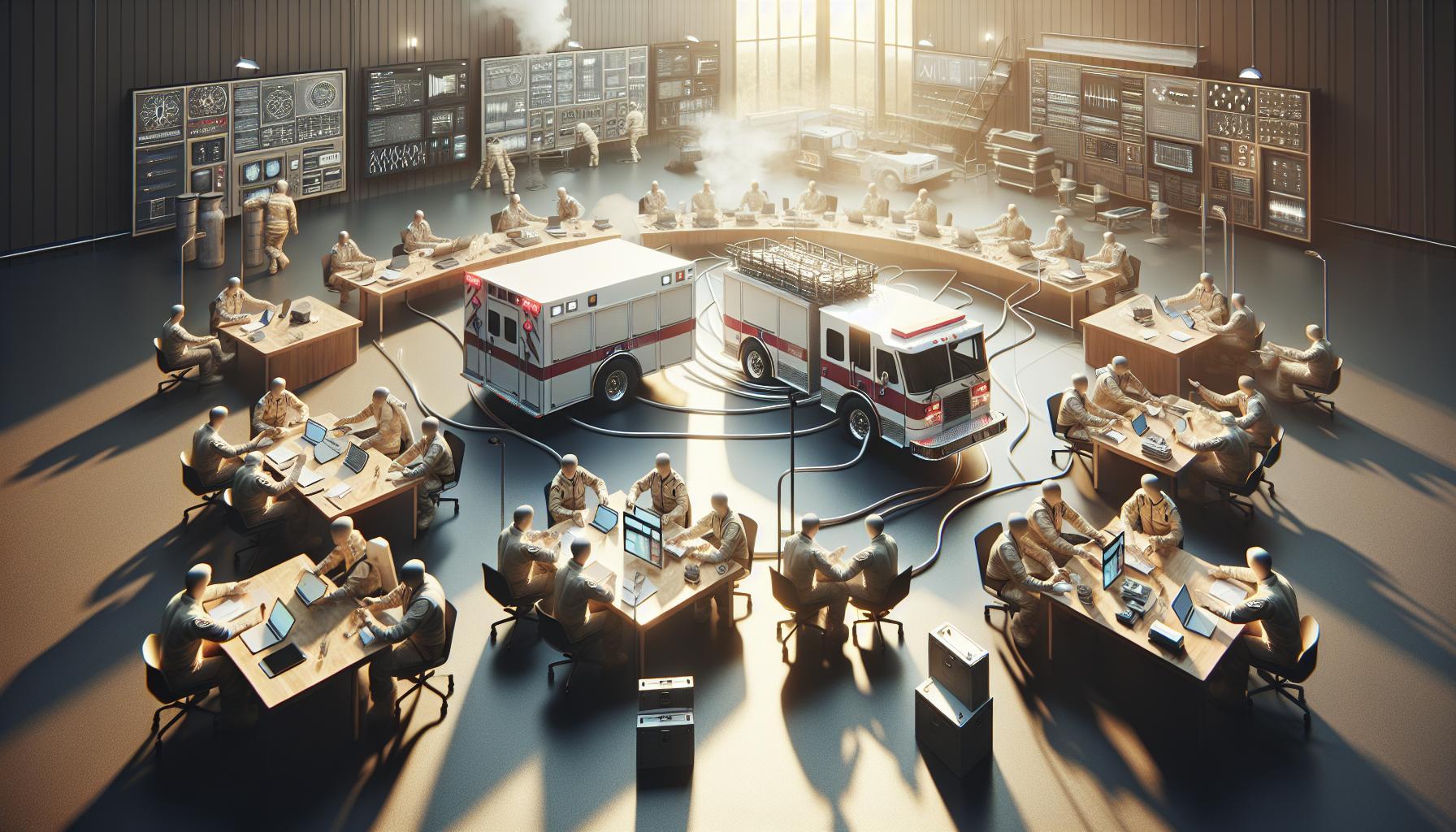
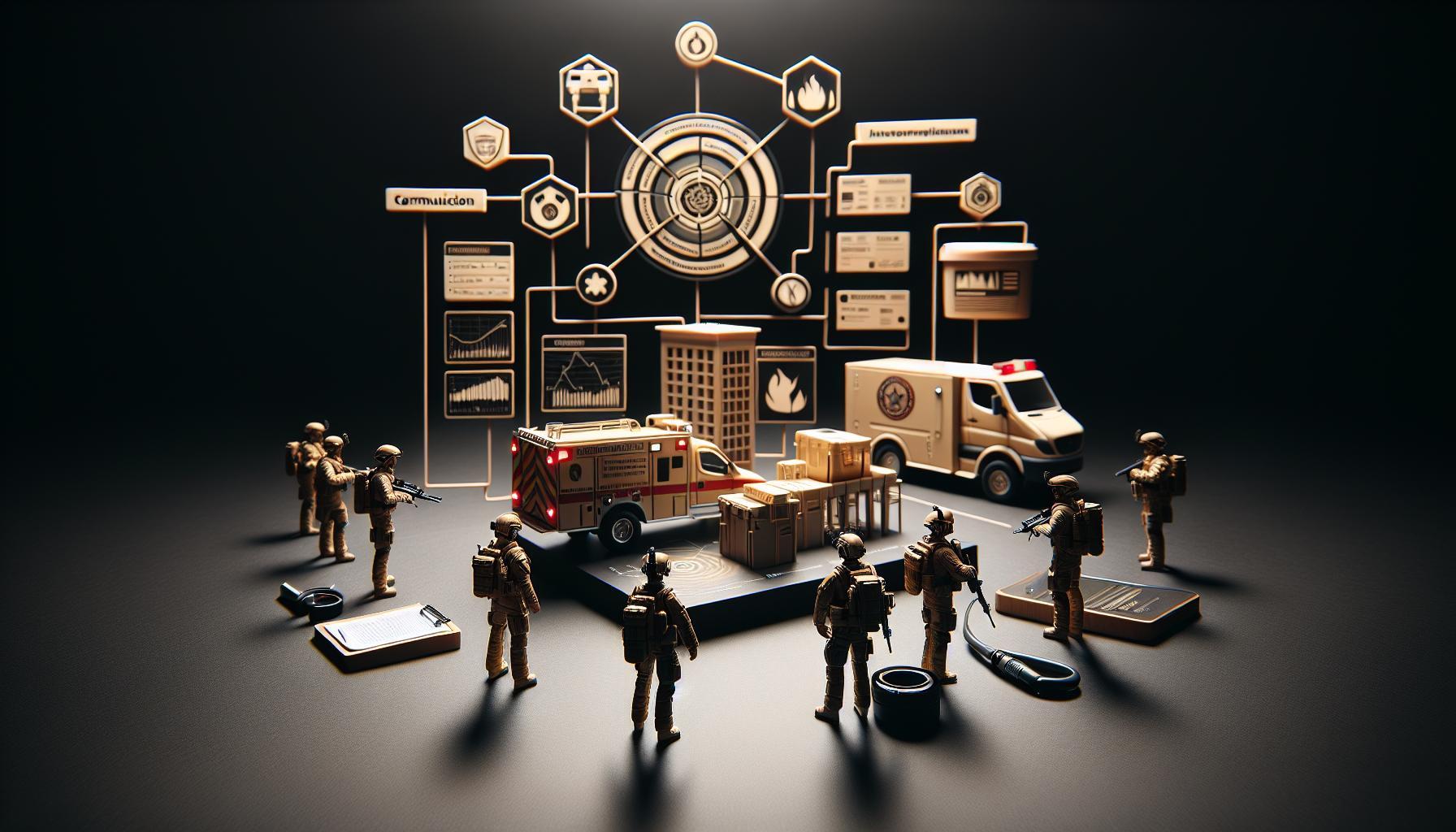
In the chaotic moments of an emergency, timely and accurate data can make the difference between confusion and effective response.Understanding the concept of a Common Operating Picture (COP) is essential for enhancing situational awareness and facilitating decisive action among incident commanders and agencies. This framework not only streamlines interaction but also fosters collaboration, making it a critical resource for successful incident management.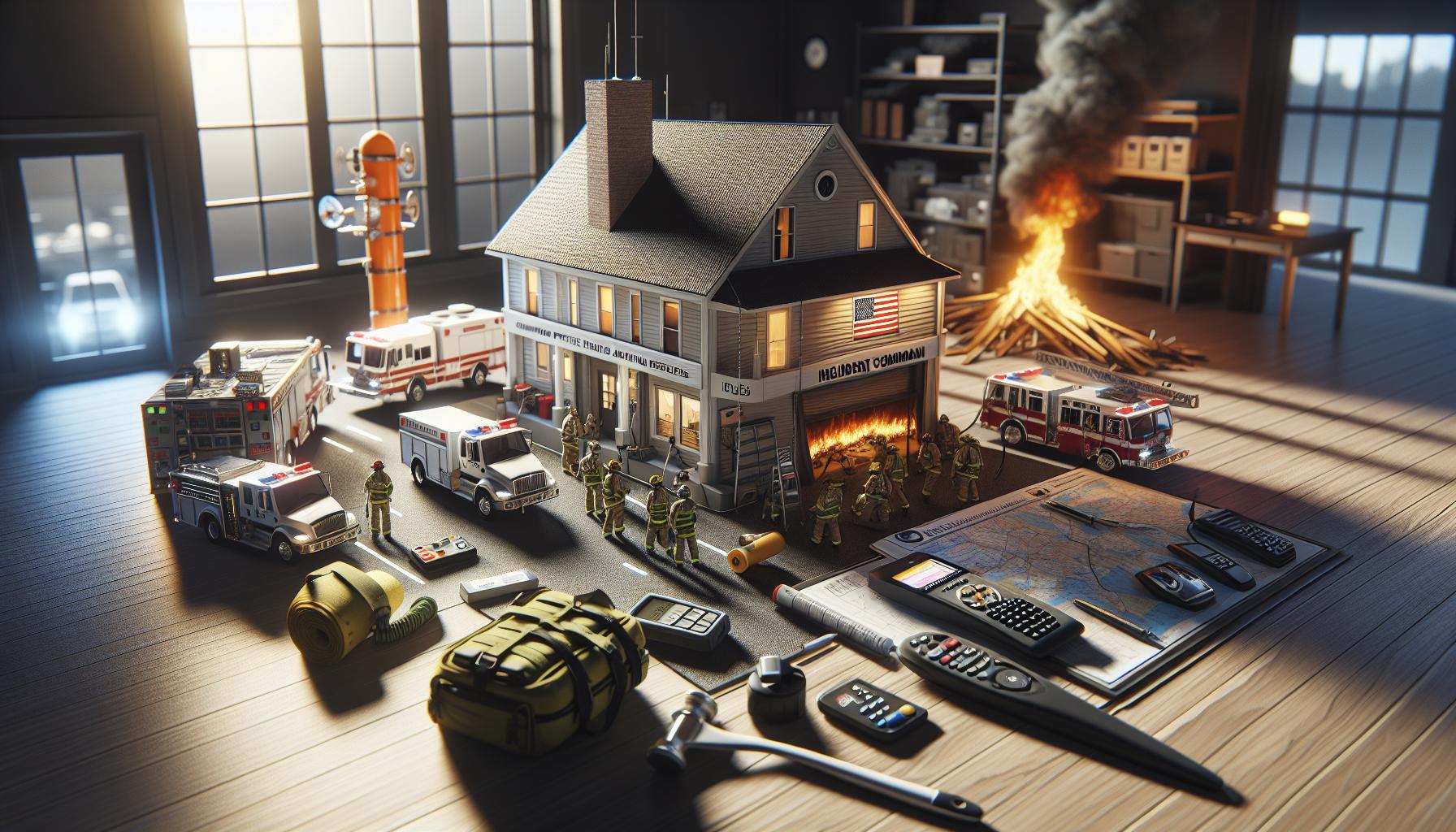
Understanding the Common Operating Picture in Incident Command
The Vital Role of a Common Operating Picture in Incident Command
In the realm of emergency management, timely and accurate information is crucial. A Common Operating Picture (COP) serves as the backbone of situational awareness during an incident. This integrated framework compiles data from various sources,allowing incident commanders and their teams to understand the evolving landscape of an emergency in real-time. This collaborative approach not only streamlines communication but also enhances the effectiveness of decision-making processes across multiple jurisdictions and agencies.
The essence of a COP lies in its ability to provide a standardized overview of an incident, enabling entities involved in the response to share critical information seamlessly.As an example, during natural disasters or large-scale emergencies, responders can access data regarding resource allocation, personnel deployment, and ongoing challenges. This comprehensive visibility is instrumental in coordinating efforts among local,state,and federal agencies,as well as non-governmental organizations (NGOs) and private sector partners. Each participant can contribute to a collective understanding, reducing the likelihood of overlapping efforts and ensuring every action is purposeful.
- Improved Decision-Making: A well-established COP supports swift decision-making by providing real-time data and analytics.
- Increased Collaboration: COP fosters inter-agency collaboration, ensuring the right stakeholders are informed and involved.
- Enhanced Resource Management: With accurate information at hand, agencies can allocate resources more effectively and efficiently.
Elements of an Effective Common Operating picture
To leverage a COP successfully, several key components must be in place:
| Element | Description |
|---|---|
| Data Integration | Combining information from various sources to ensure a unified understanding of the incident. |
| Real-Time Updates | Continuous updates to reflect the current status and evolving nature of the incident. |
| User Accessibility | Ensuring that stakeholders can easily access and interpret the data. |
| Clear Visualization | Using maps, charts, and other visual tools to represent data intuitively. |
By integrating these elements, responders can foster a collective understanding that drives an organized and efficient response to incidents. The importance of a Common Operating Picture cannot be understated; it equips decision-makers with the insights required to navigate complex situations, ultimately leading to more effective incident management and improved outcomes for affected communities.
The Role of Technology in Creating a Unified Incident Overview
in an age where quick decision-making can be the difference between life and death, technology plays a crucial role in streamlining incident management and ensuring a comprehensive view of operations. By leveraging advanced tools, emergency responders can create a Common Operating picture (COP) that integrates various data sources into a single, coherent framework. This not only enhances situational awareness but also fosters collaboration among different agencies, improving response times and strategies during emergencies.
Enhancing Situational Awareness
One of the key benefits of modern incident command technology is its ability to synthesize information from multiple channels,including geographical data,resource availability,and real-time communications. For example, Tablet Command, an innovative software tool used by fire departments like the Denver fire Department, allows Incident Commanders (ICs) to visualize ongoing operations through a user-friendly interface. With features such as drag-and-drop functionality, this platform enables ICs to quickly allocate resources, assign tasks, and visualize the incident landscape, all of wich are vital for creating a unified incident overview [1].
Interagency Coordination and Communication
A unified incident overview is impossible without effective communication between different agencies and departments. Technologies that support a Common Operating Picture facilitate seamless information sharing, which is essential during multi-agency responses. This includes sharing operational updates, resource statuses, and intel gathered from the scene. Utilizing established protocols, such as those outlined by the National Incident management System (NIMS), ensures that all responders are on the same page, minimizing confusion and maximizing efficiency [2].
Real-World Applications and Considerations
Practical application of these technologies can significantly improve incident command outcomes. As an example, during a recent hazardous materials incident, the Denver Fire Department demonstrated the effectiveness of their technology by rapidly deploying resources based on real-time data. This approach not only improved safety for the personnel involved but also optimized resource utilization.
Ultimately, adopting advanced incident command technologies enables agencies to maintain a Common Operating Picture that is dynamic, responsive, and integrative. The result is a well-coordinated response that enhances the effectiveness of emergency management strategies across different scenarios.
| Technology/Resource | Functionality | Benefits |
|---|---|---|
| Tablet Command | Incident management software | Real-time data visualization and resource allocation |
| NIMS Protocols | Standardized communication and operations | Improved inter-agency coordination |
| GIS Mapping | geospatial data integration | Enhanced situational awareness |
by harnessing the power of technology, those in the field can ensure that they are well-equipped to manage incidents effectively, ultimately leading to better outcomes for communities and first responders alike.
Key Components of an Effective Incident Command System
the Backbone of Effective Incident Management
In the realm of incident management, having a unified and clear understanding of the situation at hand can mean the difference between chaos and order. The concept of a Common Operating Picture (COP) is integral to achieving this clarity. A COP provides a shared view of the current state of an incident,which enables leaders and teams to make timely and effective decisions based on consistent information from various sources. By integrating data and insights from multiple agencies and organizations, a COP fosters improved collaboration and coordination among all stakeholders involved in incident management.
Core Elements of the Incident Command System
The effectiveness of an Incident Command System (ICS) hinges on several key components. For an ICS to function optimally, it must encompass:
- unified Command Structure: This ensures that all agencies and organizations can work together seamlessly, eliminating ambiguity in leadership roles.
- Interoperable Communication: the ability to share information across different platforms and devices ensures that all team members are on the same page, nonetheless of their physical location or organizational affiliation.
- Resource Management: Efficient tracking and deployment of resources, including personnel, equipment, and supplies, are essential to respond effectively to an incident.
- Incident Action Plans (IAP): Detailed plans that outline objectives and strategies for managing incidents help maintain focus and direction during high-pressure situations.
Leveraging Technology for Enhanced situational Awareness
the integration of technology plays a pivotal role in developing a Common Operating Picture and supporting the broader Incident Command framework. For instance:
| Technology | Function |
|---|---|
| GIS Systems | Provide spatial analysis and mapping capabilities to visualize the affected areas. |
| Incident Management Software | Facilitate real-time data sharing and communication among all response teams. |
| drones | Offer aerial views and situational reports from locations that are hard to access. |
By harnessing these technological advancements, emergency responders can enhance their situational awareness, leading to better strategic planning and execution of incident response activities. Ultimately, a well-coordinated system equipped with a robust Common Operating Picture not only aids in immediate decision-making but also strengthens overall community resilience against future incidents.
Enhancing Collaboration Through Shared Situational Awareness
Understanding the Importance of Shared Situational Awareness
A well-coordinated response during emergencies can mean the difference between chaos and control. At the heart of effective incident command lies a robust Common Operating Picture (COP), which integrates information and resources to enhance collaboration among various agencies and responders. Shared situational awareness ensures that all parties involved have a comprehensive understanding of the situation at hand, which is crucial for making informed decisions and executing effective responses.
Through shared situational awareness, response teams can synchronize their efforts, allowing for rapid information exchange. This not only reduces the risk of miscommunication but also bolsters the trust among different agencies working together. Enhanced situational awareness helps in identifying resource gaps and optimally allocating them, thereby maximizing the efficiency of the response.
Strategies for Enhancing collaboration
To broaden the implementation of a Common Operating Picture and improve collaboration in incident command, organizations can adopt several strategies:
- Utilizing Technology: Invest in advanced situational awareness tools and software that allow for real-time data sharing. These technologies help create a unified view of the incident, accessible to all relevant personnel.
- Regular Training: Conduct joint training exercises that focus on developing shared situational awareness. Familiarity with each other’s roles and capabilities strengthens teamwork and response efforts.
- Establishing Clear Protocols: Create and communicate clear guidelines on information flow and decision-making processes to eliminate confusion during a crisis.
- Encouraging Feedback: After an incident, debriefing sessions should be held to discuss what worked and what didn’t, refining the approaches to shared situational awareness for future events.
Real-World Applications
The role of shared situational awareness is evident in various high-stakes scenarios, such as disaster response operations. For instance, during a natural disaster, responders equipped with a Common Operating Picture can quickly assess the situation, deploy resources, and coordinate efforts across multiple agencies. By utilizing tools designed for optimal situational analysis, teams can view live updates of conditions, threats, and resource availability, making collaboration seamless and effective.
Moreover, incorporating a systematic approach to building shared situational awareness—supported by technology and standardized procedures—can significantly enhance the response capabilities of organizations dealing with emergencies. This aligned effort not only ensures safety and efficiency but also fosters a stronger sense of community among responders, ultimately leading to better outcomes for those affected by crises.
Strategies for Maintaining Real-Time Data during Emergencies
In the crucial moments during an emergency, the ability to maintain and disseminate real-time data can mean the difference between a manageable situation and chaos.Effective strategies for sustaining a real-time flow of information are integral to building a Common Operating Picture (COP), thereby enhancing incident command operations. Utilizing advanced technologies and systematic methodologies can elevate situation awareness,ensuring that all responders and stakeholders are informed and coordinated.
Utilizing Advanced Technologies
The integration of Artificial Intelligence (AI), Machine Learning (ML), and the Internet of Things (IoT) plays a pivotal role in managing real-time data during emergencies. These technologies can automate data collection,analysis,and dissemination,allowing teams to respond rapidly and accurately.As an example, AI algorithms can analyze patterns in data streams from various sources, such as social media or sensor networks, to predict developments in emergency situations.By employing a centralized data platform that aggregates real-time information from diverse sources—including geographic information systems (GIS) like ArcGIS—emergency management agencies can create interactive maps that visualize assets and incidents dynamically. This platform enhances situational awareness and allows for effective resource allocation and decision-making [2].
Establishing Clear Communication Protocols
To maintain a robust real-time data ecosystem during emergencies, establishing clear communication protocols is essential. These protocols should include:
- Standard Operating Procedures (SOPs) for data reporting and sharing among different agencies and teams.
- Real-time data dashboards that provide visual summaries of key metrics and incident status for all stakeholders.
- Regular training sessions for personnel to familiarize them with tools and systems used for real-time data management.
Providing first responders and command staff with access to real-time data not only improves decision-making but also enhances coordination among teams operating in different locations [3].
Continuous Updates and Feedback Loops
Implementing continuous updates and feedback loops can further strengthen the command structure during emergencies. A dynamic COP facilitates ongoing assessments of the emergency situation and internal operations. For example, having a designated team responsible for monitoring real-time data and communicating updates to incident commanders can ensure that decisions are based on the latest information available.
Table: Key Elements of a Real-Time Data Strategy
| Element | Description |
|---|---|
| Technology integration | Using AI, ML, and IoT for data collection and analysis. |
| Communication Protocols | Clear SOPs and real-time dashboards for stakeholders. |
| Training and Simulations | Regular updates and drills to ensure readiness. |
| Feedback Mechanisms | Continuous monitoring with an emphasis on adaptation. |
By adopting these strategies, organizations can solidify their Common Operating Picture and enhance the effectiveness of their incident command operations during emergencies.
Training and Best Practices for Incident command Teams
Effective Training Strategies for Incident Command Teams
In an era where emergencies can escalate swiftly, the need for well-trained Incident Command Teams (ICT) is paramount. A solid understanding of the Common Operating Picture (COP) is critical for seamless communication and situational awareness during crises. Training programs designed around this concept focus on creating a unified visual representation of information that enhances decision-making and tactical responses.
Essential Components of Training Programs:
- Regular Simulation Exercises: Incorporate realistic scenarios that test the team’s ability to adapt and respond.These simulations not only familiarize the team with operational protocols but also uncover areas for betterment.
- Cross-Disciplinary Training: Encourage participation across different emergency services to foster a deeper understanding of each other’s roles and responsibilities. This collaboration can lead to improved coordination during real-life incidents.
- Utilization of Technology: Equip teams with advanced situational awareness tools and train them in their operational use. Familiarity with these tools enhances the team’s ability to visualize and share critical information instantly.
Best Practices for Incident command
Integrating best practices into training ensures that Incident Command Teams not only are well-versed in protocols but also prioritize safety and effectiveness.Below are several recommended practices:
- Establish Clear Roles: Clearly defined roles within the command structure minimize confusion and streamline operations.
- Focus on communication: Regularly assess and improve communication strategies, ensuring all members are adept at utilizing available communication tools effectively.
- Acknowledge the Importance of After-Action Reviews: Conducting thorough debriefs after drills and real incidents allows for the identification of strengths and areas needing enhancement.
| Training Component | Objective | Outcome |
|---|---|---|
| Realistic Scenario Simulation | Test response strategies | Improved readiness and adaptability |
| Joint Exercises with Other Services | Enhance inter-agency cooperation | Streamlined operations during incidents |
| Technology-Driven Training | Increase familiarity with tools | Enhanced situational awareness and information sharing |
By fostering a culture of continuous learning and adapting to emerging practices within the Common Operating Picture and Additional Resources in Incident Command, teams can significantly enhance their efficiency and effectiveness. The ultimate goal is to ensure that when every second counts, these teams are prepared to lead with confidence and clarity.
Evaluating Additional Resources: When and How to Scale Up
recognizing the Need to Scale Up
In the realm of incident management, the capacity to assess when additional resources are required can significantly influence the outcome of operations. An effective Common Operating Picture (COP) enables Incident commanders to visualize the current situation and respond dynamically. As an example, if an incident escalates beyond the initial assessment—like a wildfire rapidly spreading due to dry conditions—this prompts a critical re-evaluation of available resources. Having clear metrics to gauge the need for scaling up is essential.
To determine the appropriate moment to augment resources, leaders should consider the following indicators:
- Incident Severity: If the incident threat level increases, such as when more casualties are reported or operational objectives expand.
- duration of Incident: Prolonged incidents often require sustained efforts and thus additional personnel and equipment.
- Resource Depletion: As tasks progress, assess availability; if teams are overburdened, it’s time to scale up.
- Environmental Changes: External factors,such as weather fluctuations,can necessitate extra support to manage evolving risks.
Strategic resource Allocation
Once the decision to scale up is made, effective allocation becomes crucial. Resources may include personnel, equipment, and logistical support, with strategic deployment ensuring resilience and efficiency. The following approaches are beneficial:
| Resource Type | Deployment Strategy | Considerations |
|---|---|---|
| Single Resources | Direct assignment to specific tasks | Quick response to localized needs |
| Strike Teams | Combination of similar resources for an objective | Ideal for targeted operations such as fire suppression |
| Task forces | Diverse resources with multiple capabilities | Effective for complex incidents requiring varied skills |
Understanding the distinct roles of single resources, strike teams, and task forces is fundamental in the logistics of incident management. For example, during a flood response, deploying a task force consisting of rescue personnel and medical responders ensures comprehensive service delivery to those affected.
Continuous Assessment and Adaptation
the scaling process does not end once additional resources are deployed. Continuous evaluation is essential for ensuring that resources are utilized efficiently. Regular updates to the COP allow for real-time strategizing and optimization of resource distribution. Set check-in points to reassess the situation and adjust deployment as necessary; this ensures that additional resources are enhancing the operational effectiveness of the incident response rather than causing redundancy or confusion.
By establishing a proactive stance on evaluating resource needs and maintaining fluid communication throughout the operation,organizations can achieve enhanced readiness and adaptability in incident command scenarios. This agility ultimately leads to improved outcomes and effectiveness in managing complex incidents.
The Importance of Communication in Incident Management
Effective communication is the backbone of successful incident management.In high-pressure situations, the clarity of information can be the difference between a well-coordinated response and a chaotic one. When incidents occur, stakeholders—including management, responders, and affected customers—rely heavily on accurate and timely communication to understand the situation and mobilize resources accordingly. A well-established Common Operating Picture (COP) enhances this communication by ensuring that all parties have a shared understanding of the incident and the ongoing response efforts.
Establishing a Common operating Picture
A Common Operating Picture in incident command provides a comprehensive view of the incident’s status, evolving threats, and resource allocation. This unified perspective enables teams to make informed decisions rapidly. Organizations should invest in systems and tools that allow for real-time updates and information sharing.As a notable example, employing dashboards that visualize incident data can definitely help all stakeholders stay aligned during an incident. These dashboards can display critical metrics such as incident response times,resource deployment status,and communication logs,facilitating more effective collaboration among teams.
- Consistency: Ensure that all communications follow a standardized protocol to minimize confusion.
- Transparency: Share information openly with all relevant parties to build trust and keep everyone informed.
- Feedback Loops: Establish channels for receiving feedback from team members, which can help refine communication strategies in real-time.
practical Steps for Improvement
To optimize communication during incidents, organizations can adopt several best practices. Regularly scheduled incident management exercises allow teams to practice and refine their communication strategies in a controlled surroundings. These drills not only enhance readiness but also create valuable metrics for assessing the effectiveness of communications over time. For example, running tabletop exercises can simulate various incident scenarios, providing insight into how well teams respond and communicate under pressure.
Moreover, technology plays a vital role in enhancing communication. Tools designed for incident response—such as incident tracking software and alert systems—should be prioritized. These technologies ensure that notifications reach the relevant stakeholders without delay and that information can be accessed from anywhere, fostering an agile response. By integrating these systems, organizations can develop a responsive communication plan that adapts as incidents evolve, aligning with the principle of the Common Operating Picture.
Conclusion
cannot be overstated. By promoting a clear, consistent, and collaborative approach through a Common Operating Picture, organizations can significantly enhance their incident response capabilities. Adopting best practices and leveraging technology will ultimately lead to a more effective and efficient management of incidents, minimizing the potential for disruption and improving overall operational resilience.
Leveraging Resources for Effective Decision-Making in Crises
Understanding the Crucial Role of Resources in Crisis Decision-Making
In times of crisis, the ability to swiftly adapt and make informed decisions can mean the difference between effective management and chaos.Leveraging resources effectively not only enhances the decision-making process but also helps in creating a Common Operating Picture (COP) that is vital for incident response. This shared understanding among team members ensures that all stakeholders are aligned on objectives and strategies, minimizing confusion and streamlining actions.
- Data Integration: Aggregating data from various sources allows decision-makers to visualize trends and anticipate potential challenges. As an example, integrating real-time data from social media, weather reports, and local emergency services can provide a comprehensive view of the situation.
- Communication Channels: Establishing clear communication pathways among emergency responders, government officials, and the public is crucial. Utilizing platforms that facilitate quick sharing of information can lead to more cohesive strategies.
- Resource Allocation: Prioritizing and distributing resources effectively based on situational demands is key. A well-defined resource management plan can ensure that personnel and supplies reach the most critical areas first.
Technology as a Force Multiplier
The implementation of advanced technologies enhances crisis decision-making significantly. A Common Operating Picture draws upon technology to create situational awareness, enabling better predictions of evolving scenarios. Such as,Geographic Information Systems (GIS) can be used to map areas affected by a crisis,forecasting resource needs and enabling targeted interventions.
| Technology | Use Case in Crisis Management |
|---|---|
| GIS | Mapping affected areas and resource allocation. |
| Mobile Apps | real-time communication and updates for responders. |
| Cloud Computing | Data sharing and collaboration across agencies. |
Training and preparedness
Effective decision-making in crises is not solely about resource availability; it also hinges on the preparedness of those utilizing these resources. Training decision-makers in crisis scenarios — using simulations and real-world drills — equips them with the necessary skills to leverage resources effectively when emergencies arise. This preparation enhances their ability to navigate the complexities of incident management, ensuring that decisions are made rapidly and based on the best available information.
By focusing on these elements — data integration, robust communication, technological enhancements, and continual training — organizations can significantly improve their crisis decision-making capabilities. Implementing a structured approach to resources in incident Command not only elevates operational effectiveness but also contributes to a more resilient community response in the face of adversity.
Frequently Asked Questions
What is a Common Operating Picture in Incident Command?
A common Operating Picture (COP) in Incident Command is a shared visualization of operational information, events, and resources during an incident. It enhances situational awareness for all stakeholders,enabling effective decision-making.
The COP integrates data from various sources, allowing incident commanders and team members to monitor developments in real time. This ensures everyone involved has a consistent understanding of the incident, crucial for coordinated response efforts.
Why is a Common Operating Picture important in Incident Command?
A Common Operating Picture is vital as it improves communication and coordination among responders. It provides a unified view of the situation,reducing information gaps that could hinder response operations.
By utilizing a COP, agencies can allocate resources more effectively and respond to changing conditions promptly. This capability is particularly useful during complex incidents like natural disasters where multiple agencies are involved.
How can I create a Common Operating Picture in incident Command?
to create a Common Operating Picture, you need reliable data collection tools, effective communication channels, and software to visualize the information. Start by gathering data from various incident sources.
Next, use Geographic Information Systems (GIS) or specialized software that can map out the operational landscape.Regular updates are essential to ensure that all team members have access to the latest information.
What additional resources are needed for Incident Command?
Additional resources for Incident command include training materials, communication tools, and logistical support systems. These resources help enhance the effectiveness of the incident command structure.
Having access to incident management software and standardized protocols can streamline operations. Training responders on using these tools is crucial for maintaining a robust Common Operating Picture.
Can I integrate technology into my common Operating Picture?
Yes,technology plays a crucial role in developing and maintaining a Common Operating Picture. Tools such as mobile apps, real-time data feeds, and cloud-based platforms facilitate better information sharing.
These technologies help in visualizing data and ensuring all command levels can access the same information rapidly. Integration of technologies can substantially enhance situational awareness and decision-making.
How does NIMS relate to Common Operating Picture in Incident Command?
The National Incident Management System (NIMS) provides a framework that supports the growth of a Common operating Picture. NIMS emphasizes standardized communication and resource management across agencies.
This standardization ensures that everyone operates with a common understanding and can effectively share and interpret the information present in the COP, boosting overall incident response effectiveness.
What challenges might I face when implementing a Common Operating Picture?
Implementing a common Operating Picture can present challenges such as interoperability issues between different systems and data cluttering. Ensuring that all agencies use compatible technologies is vital for success.
Additionally, training personnel to effectively use the COP is crucial. Overcoming these challenges requires ongoing evaluation and adaptation of processes to ensure that the COP remains useful and accurate.
To Wrap It Up
the concept of a Common Operating Picture (COP) within Incident Command is essential for effective situational awareness and resource management during emergencies. By utilizing resources such as the Incident Command System (ICS), incident managers can streamline operations through well-organized structures including Single Resources, task Forces, and Strike Teams. A cohesive COP enhances communication and collaboration among responders, ultimately leading to better decision-making and outcomes.
We encourage you to delve deeper into various available resources, such as FEMA’s comprehensive ICS guidance and the NIMS Toolkit, to further enhance your understanding and implementation of effective incident management strategies. Explore these tools to stay informed and prepared for any incident response you may encounter. Your proactive engagement will contribute to a more resilient and efficient emergency management framework.